

Commercial Pest Control Requires a Different Approach
A commercial property is not simply a larger version of a house.
Businesses often have more entrances, more people, more deliveries, more storage, more waste, more food and water sources, and significantly more areas where pest activity can begin without immediately being noticed.
A restaurant may be concerned with drains, grease, food storage, deliveries, and waste areas.
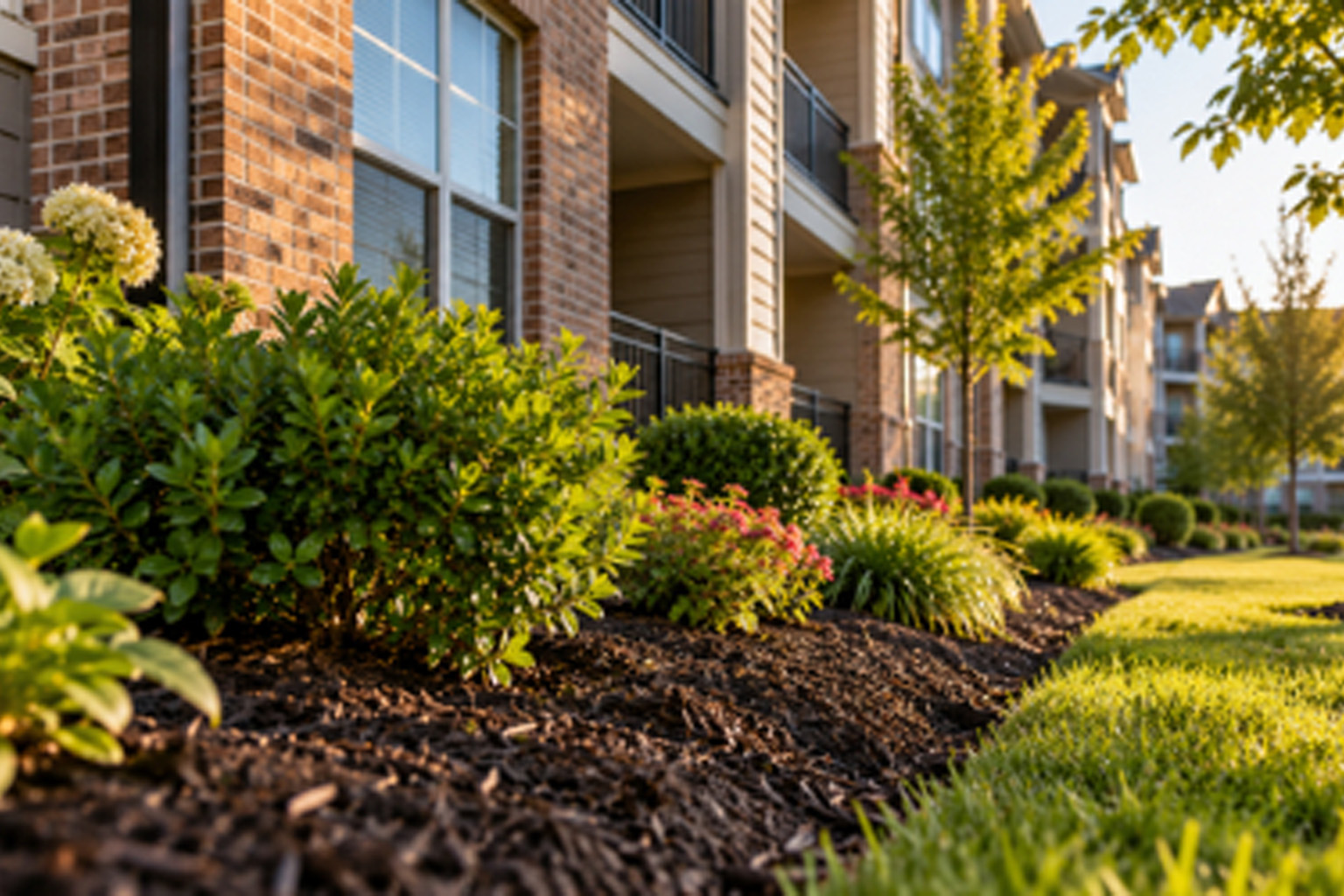
An apartment community may be dealing with pest movement between units.
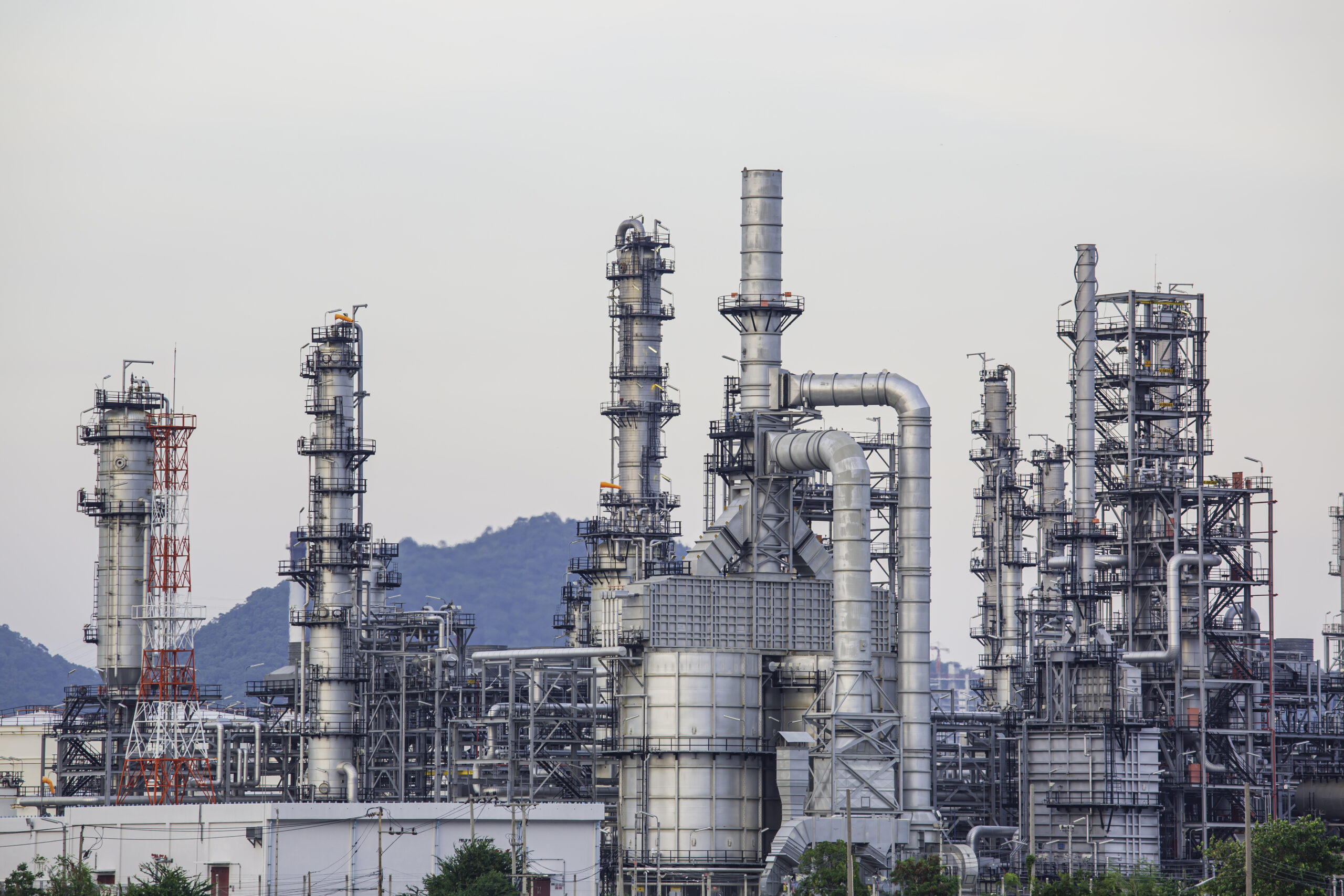
An industrial facility may have warehouses, yards, equipment areas, utility corridors, and employee breakrooms spread across a large property.
A healthcare facility has an entirely different set of priorities involving sensitive areas, discretion, sanitation, and minimizing disruption.
That is why commercial pest control needs to start by understanding the operation itself.
Our objective is to identify where pests are active, determine what is attracting or supporting them, evaluate how they are getting into the facility, and establish a practical strategy for ongoing management.
Dave’s & Kevin’s has been serving Lafayette and surrounding Acadiana communities since 1962.
Schedule a commercial pest inspection today

Get Your Free Pest Control Quote
Tell us what you’re dealing with and a member of the Dave’s and Kevin’s team will help you determine the right solution for your facility.
Commercial Pest Control Solutions By Industry
Strong pest management begins long before an insect or rodent reaches a production area.


How We Build a Commercial Pest-Management Program
Pest Control Should Fit Your Facility—Not the Other Way Around

Understand the Facility
We begin by looking at the property itself.
Where are products received?
Where is food stored?
Where does trash leave the building?
Where are employees eating?
Which doors remain open?
Where does moisture collect?
What portions of the building receive the least activity?
These details help us understand where pest problems are most likely to begin.


Identify Pest Risks
Pests need food, water, shelter, and a way into the property.
We look for conditions that may be providing those opportunities.
That may include structural openings, sanitation concerns, standing water, drains, food residue, landscaping, stored materials, clutter, waste areas, loading docks, exterior lighting, or other environmental conditions.


Develop a Service Strategy
Once the facility and pest risks are understood, service can be focused on the areas that matter most.
The treatment strategy may vary depending on the pest, property, operating schedule, surrounding environment, and type of facility.
The objective is to solve the problem without creating unnecessary disruption to the business.


Monitor for Changes
Commercial pest activity is rarely static.
Deliveries change.
Weather changes.
Employees change.
Storage areas change.
Construction occurs.
New equipment is installed.
A strong pest-management program pays attention to those changes and looks for developing problems before they become larger ones.


Correct the Conditions Helping Pests Survive
Treating pests is only one piece of commercial pest management.
When sanitation, moisture, structural access, storage practices, vegetation, waste, or another condition is contributing to activity, correcting that condition can be just as important as the treatment itself.

Free Commercial Facility Pest Audit
Schedule a no-obligation commercial pest inspectionand receive a review of common pest risk areas. Including: entry points, sanitation concerns, storage zones, exterior conditions and more!
Why Integrated Pest Management Is So Important
Integrated Pest Management—commonly called IPM—is based on a simple idea:
The best way to control pests is to understand why they are there in the first place.
Spraying an insect that happens to be visible may eliminate that individual pest, but it does not necessarily explain where it came from or why others continue appearing.
In a commercial facility, recurring pest activity may be connected to food, water, sanitation, structural openings, deliveries, storage practices, drains, waste handling, landscaping, employee behavior, or conditions around the exterior of the property.
IPM looks at all of those factors.
The process combines pest identification, inspection, monitoring, prevention, sanitation recommendations, structural corrections, exclusion, and targeted treatments where appropriate.
That allows pest-control efforts to focus on the source of the problem instead of continually reacting to the symptom.
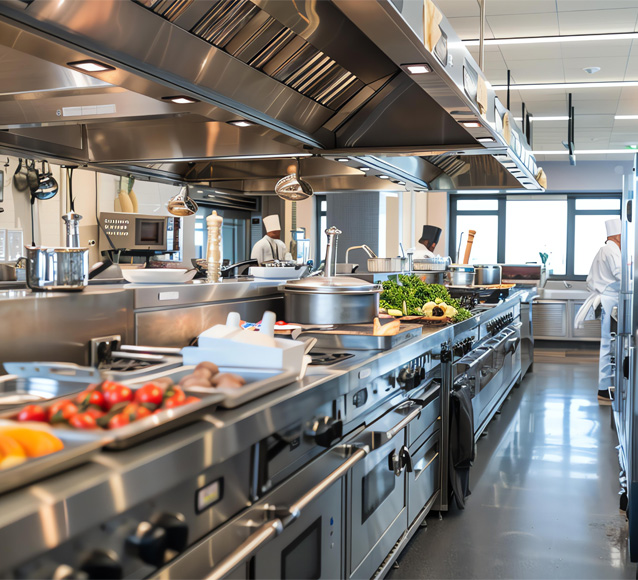
For example, if cockroaches repeatedly appear in a commercial kitchen, simply treating the visible insects may not solve the larger problem.
An IPM approach asks additional questions:
Where are they hiding?
Is moisture present?
Are floor drains contributing?
Is food residue accumulating beneath equipment?
Are pests being introduced with deliveries?
Are there gaps around plumbing or walls?
Are waste areas attracting activity outside the building?
Answering those questions can make the difference between repeatedly treating the same problem and actually reducing the conditions that allow it to continue.
This is especially important in commercial pest control because the goal should not be to apply the greatest amount of pesticide.
The goal is to use the right combination of inspection, prevention, correction, monitoring, and treatment to achieve better long-term control while minimizing unnecessary product use.
Commercial Pest Control Should Be More Than Repeated Spraying
Why Integrated Pest Management Matters
Integrated Pest Management goes beyond simply treating the pest you can see. IPM looks at the conditions allowing pest activity to develop in the first place—including food, water, sanitation, structural openings, storage practices, waste areas, landscaping, and other environmental factors.
By combining inspection, monitoring, prevention, corrective recommendations, exclusion, and targeted treatments, an IPM program helps commercial facilities achieve more consistent long-term pest control.
For businesses, that can mean fewer recurring problems, better documentation, improved sanitation, reduced risk, and a pest-management program that supports the way the facility actually operates.
For example:
- Pest identification
- Monitoring
- Sanitation
- Food and water sources
- Structural access
- Harborages
- Exterior conditions
- Employee practices
- Delivery activity
- Waste management
- Corrective recommendations
- Targeted treatment when needed
Find out more about Commercial IPM (Integrated Pest Management)
Common Commercial Pest Problems
Pest Problems Can Start in Places Customers Never See
Most commercial pest problems don’t start in the lobby or dining room.
They often begin in the less visible parts of the operation.
Loading docks.
Storage areas.
Dumpsters.
Floor drains.
Mechanical rooms.
Employee breakrooms.
Utility penetrations.
Landscaping.
Shipping and receiving areas.
Then, as the population grows, pests begin appearing in the parts of the facility where customers, employees, residents, or management notice them.
Common commercial pest concerns include ants, cockroaches, rodents, flies, spiders, stinging insects, mosquitoes, termites, stored-product pests, and other occasional invaders.
Finding the pest is important.
Finding where the problem started is even more important.
Some of the Best Pest Control Happens Before Treatment Is Needed
Professional pest service is important, but commercial clients also have enormous influence over how attractive their properties are to pests.
Something as simple as a leaking pipe can provide a dependable water source.
An exterior door that does not close properly can become an entry point.
Food residue beneath equipment can support insects.
Overgrown vegetation against the building can create harborage.
Cardboard stored for long periods can provide shelter.
An overflowing dumpster can attract pests before they ever enter the structure.
Part of good commercial pest management is identifying these conditions and helping the people responsible for the facility understand what can be corrected.
When the pest-control company and facility management work together, it becomes much easier to reduce the conditions that allow recurring pest problems to continue.
Know Where Pest Activity Is Occurring
A commercial pest program should help management understand what is happening around the property.
If the same pest repeatedly appears in the same portion of the facility, that pattern matters.
If activity increases around one loading dock, storage room, exterior wall, drain, or waste area, that information can help point toward the underlying cause.
Monitoring allows pest activity to be viewed as a trend instead of a series of unrelated sightings.
That makes it easier to identify problem areas, evaluate corrective actions, and focus pest-control efforts where they are most valuable.
For businesses with internal sanitation programs, quality-control requirements, inspections, or other operational standards, maintaining a clear understanding of pest activity can also support broader facility-management goals.
Protect More Than the Building
Commercial Pest Control Protects Your Operation
A pest problem can affect different businesses in different ways.
For a restaurant, it may affect customer confidence.
For an apartment community, it may create resident complaints.
For a healthcare facility, pest sightings can become a serious concern for patients and staff.
For an industrial operation, rodents or insects may affect equipment, stored materials, employee areas, or production environments.
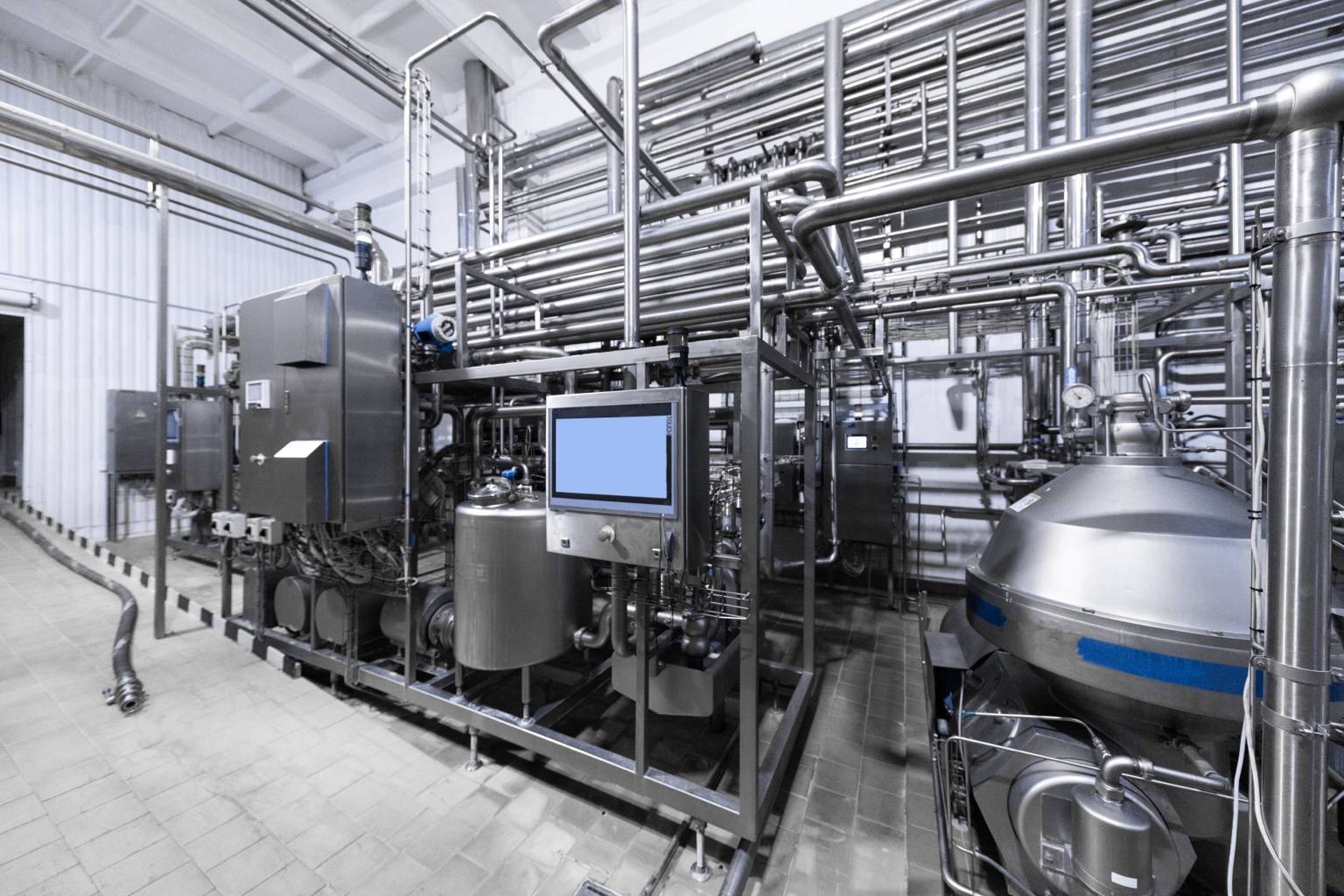
For a food-processing facility, even limited pest activity can require immediate attention.
That is why commercial pest management is ultimately about more than controlling insects and rodents.
It is about helping protect:
- People
- Property
- Products
- Sanitation
- Business continuity
- Customer and tenant confidence
- Your company’s reputation
Why Choose Dave’s & Kevin’s
Local Commercial Pest Control From a Company That Knows Acadiana
Dave’s & Kevin’s has been providing pest-control services in Lafayette and Acadiana since 1962.
More than six decades of local experience means understanding that South Louisiana creates its own pest-management challenges.
Heat.
Humidity.
Heavy rainfall.
Long pest seasons.
Dense vegetation.
Commercial development.
Industrial environments.
Food and hospitality businesses.
Marine activity.
All of these conditions influence pest activity.
The existing company positioning also identifies Dave’s & Kevin’s as a local, family-owned business built around showing up, knowing what you are doing, and treating customers right.
For commercial clients, that means working with a local company that can take the time to understand the property and develop a practical solution rather than simply providing the same treatment everywhere.





Serving Acadiana Since 1962
Decades of experience with South Louisiana pest conditions.

IPM-Focused Approach
Prevention and monitoring are combined with treatment.

Facility-Specific Planning
The program reflects how your operation functions.

Corrective Recommendations
We help identify environmental conditions that may contribute to pest activity.
Serving Acadiana Since 1962
Decades of experience with South Louisiana pest conditions.
IPM-Focused Approach
Prevention and monitoring are combined with treatment.
Facility-Specific Planning
The program reflects how your operation functions.
Corrective Recommendations
We help identify environmental conditions that may contribute to pest activity.
Commercial Pest Control Throughout Lafayette & Acadiana
Commercial Pest Control Throughout Lafayette & Acadiana
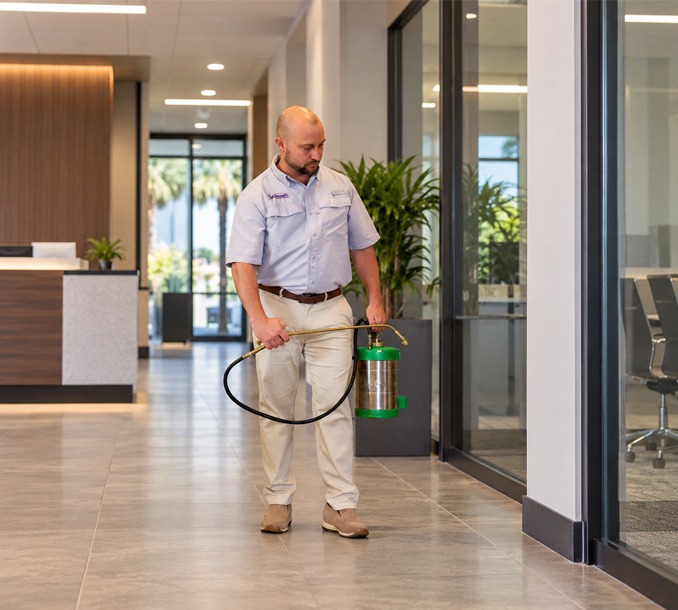
Dave’s & Kevin’s provides commercial pest-management services for businesses and facilities throughout Lafayette and surrounding Acadiana communities.
From a single office or restaurant to larger properties and specialized commercial environments, the first step is understanding your facility and determining what type of pest-management program it requires.
Your Local Pest Control Company Since 1962
More than six decades in business doesn’t happen without taking care of customers. See what homeowners throughout Lafayette and Acadiana have to say about their experience with Dave’s and Kevin’s Pest Control.
Read More Reviews


Frequently Asked Questions About Commercial Pest Control
How often should a commercial property receive pest control?
There is no single schedule that is appropriate for every commercial facility.
Service frequency depends on the type of business, pest risk, property size, operating conditions, sanitation, surrounding environment, previous pest history, and the level of ongoing protection required.
A restaurant or food facility may require a different schedule from an office building or another lower-risk property.
Can you customize a pest-control program for our facility?
That should be the goal of commercial pest management.
Different properties have different risks, so the inspection, monitoring, treatment areas, and service schedule should reflect the facility rather than forcing every business into the same program.
What types of commercial pests do businesses commonly encounter?
Commercial properties may encounter cockroaches, rodents, ants, flies, spiders, stinging insects, mosquitoes, termites, stored-product pests, and other occasional invaders.
The specific risks depend heavily on the type of facility.
What is Integrated Pest Management?
Integrated Pest Management combines inspection, pest identification, monitoring, prevention, sanitation and structural recommendations, exclusion, and targeted treatment.
The objective is to address both the pest and the conditions helping the pest survive.
Can sanitation affect pest activity?
Absolutely.
Food residue, grease, waste, standing water, spills, clutter, and improper storage can provide food, water, and shelter.
Correcting those conditions can help prevent recurring pest problems.
Why do pests keep returning after treatment?
When pests keep returning, an underlying condition may not have been corrected.
Food, water, structural openings, harborages, sanitation, exterior activity, or ongoing pest introductions may all contribute.
Can pest control be performed without disrupting our business?
Commercial service should be planned around the facility whenever practical.
The right approach depends on the pest, the treatment needed, the operating environment, and the areas involved.
We don't currently have a major pest problem. Do we still need commercial pest control?
Preventive pest management is often easier than responding after a population has become established.
Regular inspection and monitoring can help identify developing issues and conditions that deserve attention before they become more disruptive.
Don't Wait Until a Pest Problem Becomes a Business Problem
Whether you operate a restaurant, office building, healthcare facility, industrial plant, apartment community, food facility, or marine operation, effective pest control begins with understanding the property.
Let Dave’s & Kevin’s evaluate your facility, identify areas of concern, and help you develop a pest-management strategy tailored to how your business operates.
Request Your Commercial Pest Evaluation Today
Serving Lafayette and Acadiana since 1962.